

Cargo Shipping China to Canada Import Export Shipping Cost: 2026 Guide
Navigating the complexities of cargo shipping China to Canada import export shipping cost requires a strategic approach to logistics management in 2026. Global trade dynamics continue to evolve, making it essential for businesses to stay informed about the latest freight trends and pricing structures. Visit Top China Cargo to access premium shipping solutions tailored to your specific commercial needs.
✦How Does Sea Freight Compare to Other Shipping Options?
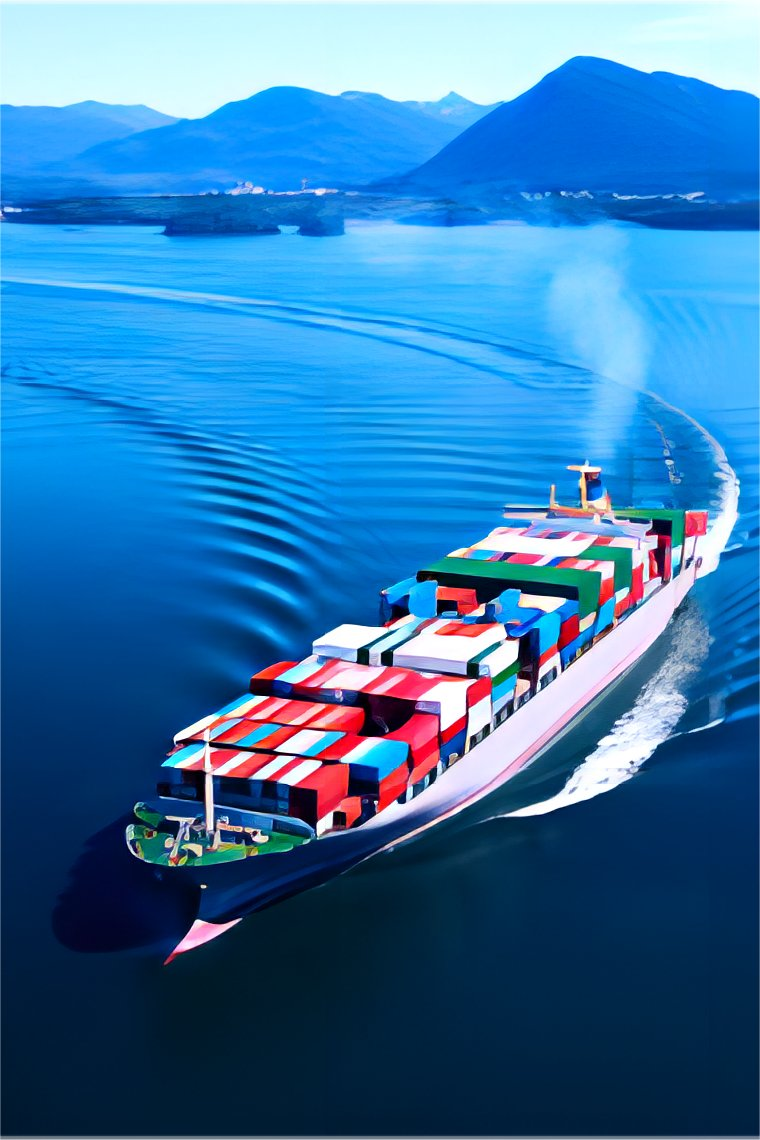
Sea freight remains the backbone of international trade between Asia and North America due to its cost-effectiveness for high-volume shipments. Comparing ocean transport to air or rail alternatives reveals significant differences in both lead times and financial outlays.
Businesses often choose sea freight when they need to move large quantities of goods without the urgency of immediate delivery. Reliability in 2026 has improved as carriers optimize routes to avoid previous congestion points in major coastal hubs.
Moreover, the environmental impact of ocean transport is considerably lower than air transport, making it a preferred choice for sustainable supply chains. Consequently, importers must plan their inventory cycles at least two months in advance to account for transit and processing times.
| Shipping Method | Cost Range | Transit Time | Best For | Limitations |
|---|---|---|---|---|
| Sea Freight (FCL) | $2,800 – $5,500 | 18 – 35 Days | Bulk Inventory | Slow transit |
| Air Freight | $5.50 – $12.00/kg | 3 – 7 Days | High-value items | Expensive |
| Express Service | $8.00 – $15.00/kg | 2 – 5 Days | Urgent Samples | Weight limits |
| Sea-Air Hybrid | $3,500 – $7,000 | 12 – 18 Days | Mid-range urgency | Complex logistics |

Air Freight vs. Sea Freight: Evaluating Cargo Shipping China to Canada Import Export Shipping Cost
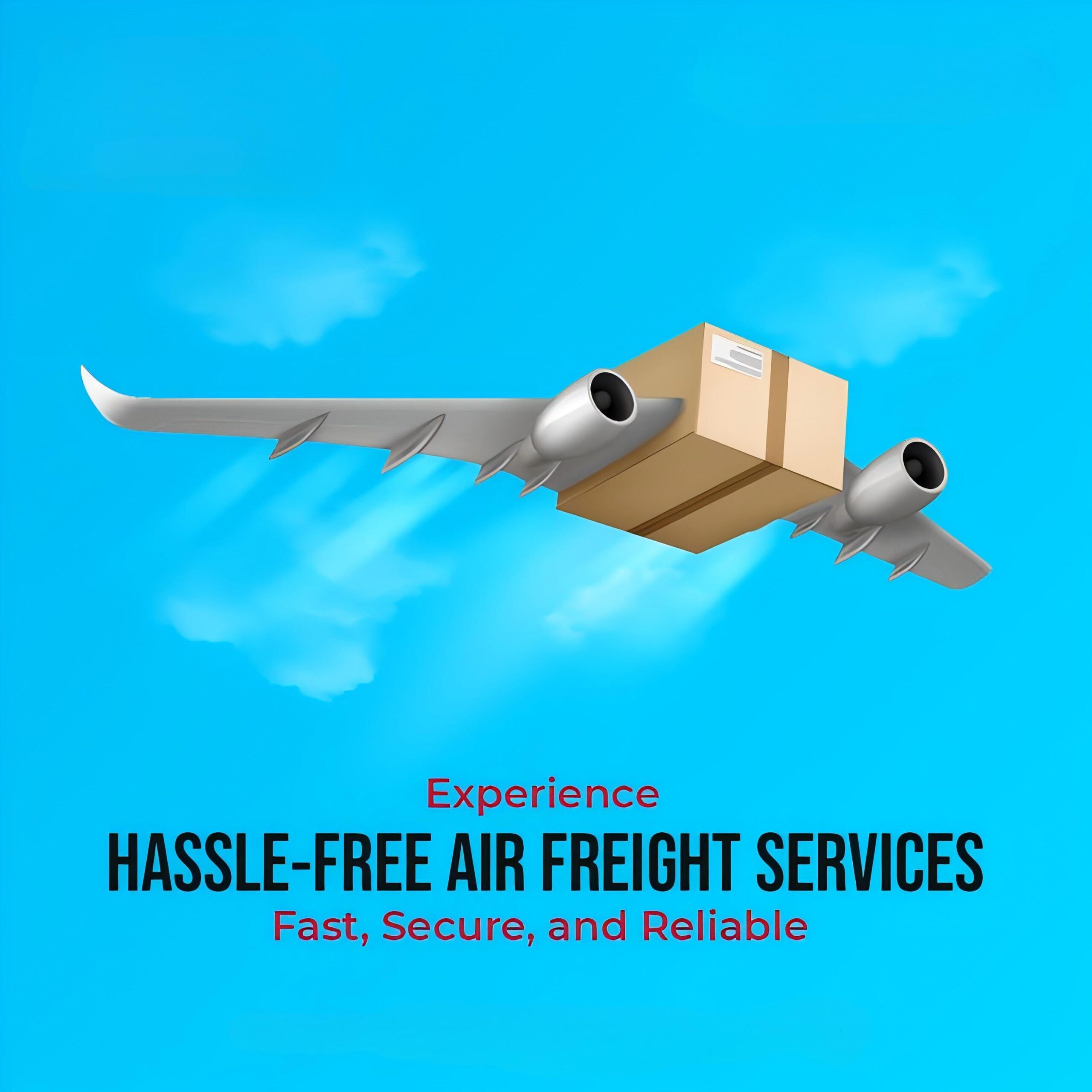
Choosing between air and sea requires a deep dive into your specific business requirements and profit margins. While air freight offers unparalleled speed, the cost per kilogram can be ten times higher than ocean transport.
Furthermore, air transport is ideal for perishable goods, electronics, or fashion items that lose value quickly over time. Logistics managers often utilize air services during peak seasons when port congestion threatens to delay critical holiday stock.
Shippers should calculate the total landed cost rather than just the base freight rate to make an informed decision. Indeed, faster delivery can sometimes offset higher costs by reducing the need for large domestic warehouse inventories.
Key Factors Influencing Your Cargo Shipping China to Canada Import Export Shipping Cost
Several variables dictate the final price you pay for transporting goods across the Pacific Ocean. Fuel surcharges, known as Bunker Adjustment Factors, fluctuate based on global oil prices and environmental regulations in 2026.
Additionally, seasonal demand peaks during the late summer and fall months typically cause a 20 percent spike in standard rates. Freight forwarders often recommend booking at least four weeks in advance during these periods to secure space on vessels.
Understanding weight and volume calculations is also vital, as carriers charge based on whichever is greater. For small shipments, using an express service might be more economical than a partially filled container.
Currency exchange rates between the Chinese Yuan, US Dollar, and Canadian Dollar also play a subtle but significant role in total expenses. Therefore, maintaining a flexible budget is essential for long-term importing success.
| Route | 20GP Container | 40GP Container | 40HQ Container | Transit Time |
|---|---|---|---|---|
| Shenzhen to Vancouver | $1,600 – $2,100 | 2,600 – $3,400 | $2,900 – $3,700 | 14 – 18 Days |
| Shanghai to Toronto | $2,600 – $3,400 | $4,100 – $5,400 | $4,600 – $5,900 | 30 – 35 Days |
| Ningbo to Montreal | $2,800 – $3,600 | $4,300 – $5,600 | $4,800 – $6,100 | 32 – 38 Days |
| Qingdao to Calgary | $2,400 – $3,100 | $3,800 – $4,900 | $4,200 – $5,300 | 22 – 28 Days |
Real-World Case Studies: 2026 Shipping Scenarios
Examining actual shipments provides a clearer picture of the current market landscape for Canadian importers. These examples reflect typical costs and timelines experienced by businesses in early 2026.
Practical data helps new importers benchmark their own quotes and identify potential areas for optimization. Real-world challenges like port delays or documentation errors are also highlighted in these scenarios.
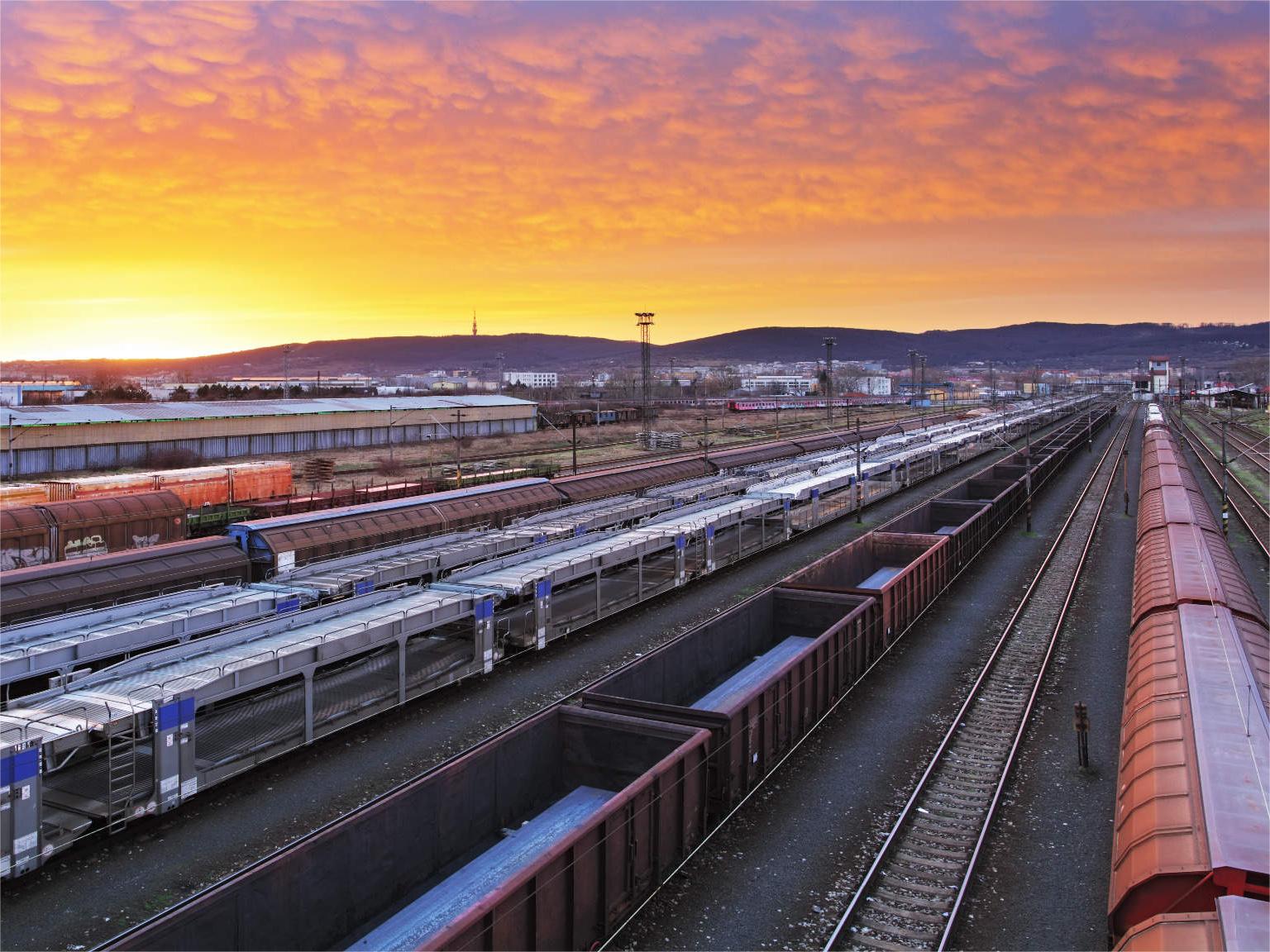
Case Study 1: Electronics from Ningbo to Toronto Route: Ningbo, China to Toronto, Canada Cargo: Consumer Electronics, 12 CBM, 2,500 kg Container: LCL (Less than Container Load) Shipping Details: – Carrier: Major Ocean Carrier via Vancouver – Port of Loading: Ningbo – Port of Discharge: Vancouver (Rail to Toronto) – Route Type: Transshipment Cost Breakdown: – Ocean Freight: $1,950 – Origin Charges: $450 – Destination Charges: $650 – Customs and Duties: $400 – Total Landed Cost: $3,450 Timeline: – Booking to Loading: 5 days – Sea Transit: 18 days – Rail Transit: 7 days – Customs Clearance: 2 days – Total Door-to-Door: 32 days Key Insight: Using rail from Vancouver to Toronto saved 15 percent compared to an all-water route through the Panama Canal.
Case Study 2: Furniture from Shenzhen to Vancouver Route: Shenzhen, China to Vancouver, Canada Cargo: Home Furniture, 65 CBM, 15,000 kg Container: 40HQ (High Cube) Shipping Details: – Carrier: Direct Service via MSC – Port of Loading: Yantian – Port of Discharge: Vancouver – Route Type: Direct Cost Breakdown: – Ocean Freight: $3,100 – Origin Charges: $350 – Destination Charges: $450 – Customs and Duties: $200 – Total Landed Cost: $4,100 Timeline: – Booking to Loading: 4 days – Sea Transit: 14 days – Customs Clearance: 1 day – Total Door-to-Door: 19 days Key Insight: Direct routes to the West Coast remain the fastest and most cost-effective method for bulky items as of early 2026.
Understanding Customs Brokerage and Duties in Canada
Navigating the Canadian Border Services Agency requirements is a critical step in the import-export process. Professional customs brokerage services ensure that your goods comply with all local regulations and avoid costly penalties.
Moreover, importers must accurately classify their products using the Harmonized System codes to determine the correct duty rates. Failure to provide precise documentation can lead to significant delays at the port of entry or even seizure of the cargo.
Compliance with the Special Import Measures Act is also necessary for certain product categories to avoid anti-dumping duties. Consequently, many successful businesses partner with experts to manage their documentation and tax obligations efficiently.
| Document Name | Purpose | Required By | Timing |
|---|---|---|---|
| Commercial Invoice | Proof of transaction | CBSA | Before shipment |
| Bill of Lading | Title to the goods | Carrier | At loading |
| Packing List | Detailed cargo info | Warehouse | With invoice |
| Certificate of Origin | Verify source country | Customs | Before arrival |
Navigating the Logistics of Door to Door Shipping
Opting for a comprehensive door to door service eliminates the stress of managing multiple logistics providers. This model covers everything from the factory floor in China to the final warehouse destination in Canada.
Consequently, businesses can focus on their core operations while the freight forwarder handles trucking, ocean freight, and final mile delivery. This streamlined approach often results in better communication and fewer logistical bottlenecks.
Service providers in 2026 utilize advanced tracking technology to give importers real-time visibility into their shipment’s progress. Many companies find that the slightly higher service fee is well worth the time saved and the reduction in potential errors.
Which Option Should You Choose? Decision Framework
Selecting the right shipping strategy depends on your specific priorities regarding cost, speed, and cargo volume. For shipments heading to North America, the West Coast entry points are generally faster and cheaper than East Coast alternatives.
Specifically, if your budget is the primary concern and your volume exceeds 15 cubic meters, a Full Container Load is the most efficient choice. On the other hand, smaller shipments under 500 kilograms are often better suited for air or LCL services.
Organizations should also consider the nature of their cargo, as hazardous materials or oversized equipment require specialized handling and permits. Speed remains the priority for tech launches or emergency restocking, where air freight becomes an unavoidable necessity.
Strategic Tips to Reduce Your Total Landed Cost
Implementing smart consolidation strategies can significantly lower your overall shipping expenses throughout the year. Therefore, combining multiple small orders from different suppliers into a single container can reduce per-unit transportation costs.
Consolidating shipments allows you to take advantage of FCL rates even if individual orders are relatively small. Additionally, optimizing your packaging to minimize wasted space within a container ensures you are not paying to ship air.
Effective negotiation with freight forwarders for long-term contracts can also provide more stable pricing in a volatile market. Meanwhile, staying updated on trade agreements between China and Canada may reveal new opportunities for duty exemptions.
Final Thoughts on China to Canada Logistics
Mastering the cargo shipping China to Canada import export shipping cost is a journey that requires constant attention to market trends and regulatory changes. By understanding the differences between sea and air freight, and utilizing expert services for customs and door-to-door delivery, you can build a resilient supply chain.
Success in the 2026 market depends on your ability to balance speed, cost, and reliability through informed decision-making. We recommend partnering with experienced freight forwarders who can navigate the complexities of international trade on your behalf. Start planning your next shipment today to secure the best possible rates and transit times for your business.
Optimize your supply chain today by requesting a personalized quote for your next shipment. Our logistics experts are ready to help you minimize your cargo shipping China to Canada import export shipping cost while ensuring timely delivery. Visit Top China Cargo now to get started with a professional consultation.
Request Quote