
2026 Shipping Rates China to Germany Sea and Air Freight Rates Guide
Understanding the current shipping rates China to Germany sea and air freight rates is essential for businesses looking to maintain a competitive edge in the global market. As of early 2026, the logistics landscape between these two economic powerhouses continues to evolve due to shifting fuel costs and updated trade regulations. By partnering with a reliable provider like Top China Cargo, importers can navigate these complexities while ensuring their supply chain remains efficient and cost-effective. This comprehensive guide explores the various factors influencing freight prices and provides actionable data for your next shipment.

How Air Freight Rates from China to Germany Work
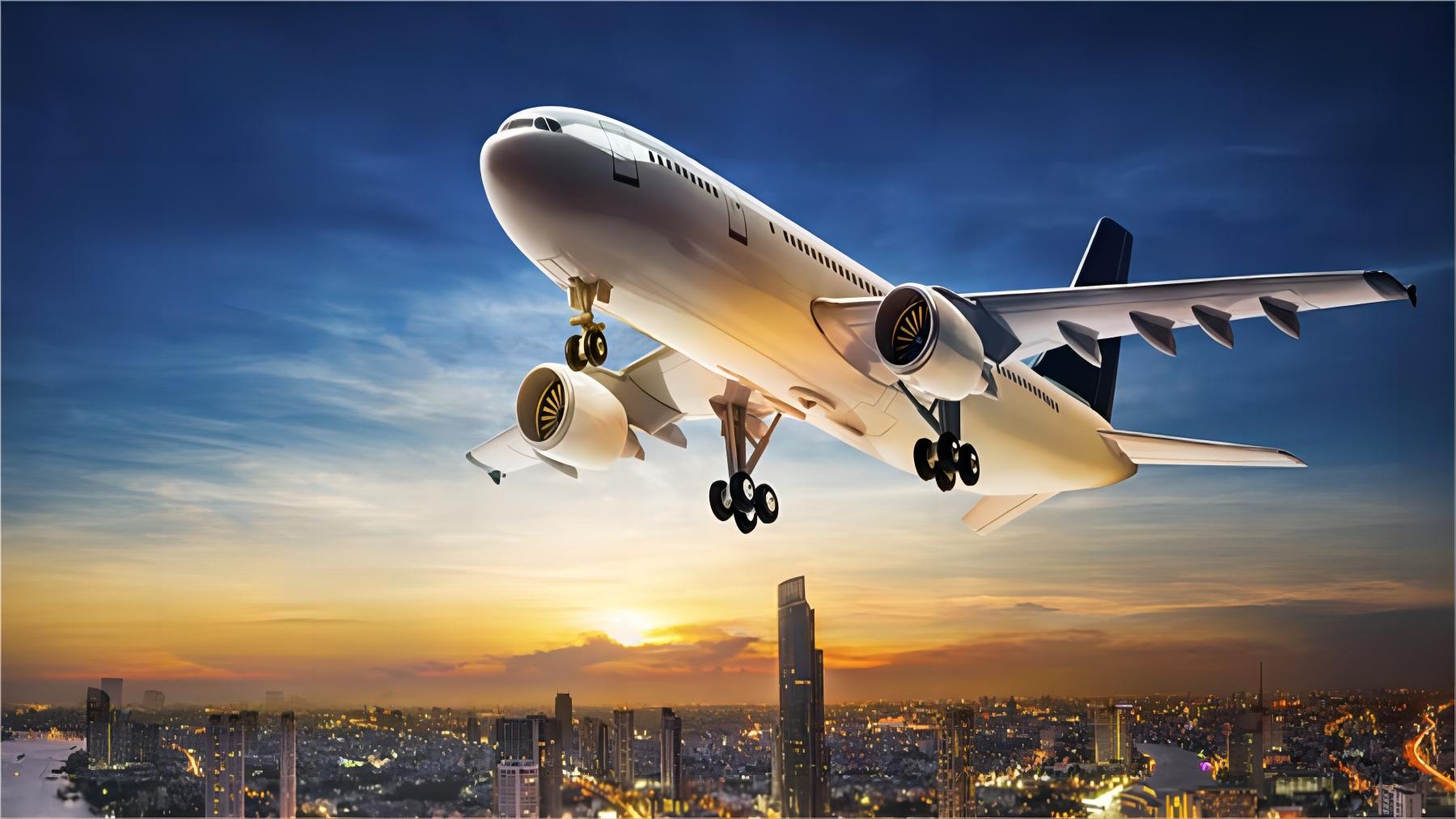
Air freight remains the preferred choice for high-value or time-sensitive shipments moving from Chinese industrial hubs to German commercial centers. Currently, air cargo costs are calculated based on either actual weight or volumetric weight, whichever is higher, following standard industry practices. Consequently, businesses must carefully calculate their dimensions to avoid unexpected surcharges during the booking process.
Choosing air freight allows for rapid transit, typically ranging from 3 to 7 days depending on the specific service level selected. Furthermore, major airports like Frankfurt, Munich, and Berlin serve as primary gateways, offering robust infrastructure for quick cargo handling and distribution. Indeed, the speed of air transport often justifies the higher price point for electronics, fashion, and pharmaceutical products.
Market trends in 2026 indicate that air rates fluctuate between 4.50 and 8.50 USD per kilogram for standard shipments. However, these prices can spike significantly during peak seasons such as the lead-up to the winter holidays or immediately following the Chinese New Year. Therefore, booking at least two weeks in advance is highly recommended to secure space and stable pricing.
Navigating Sea Freight Costs for German Imports
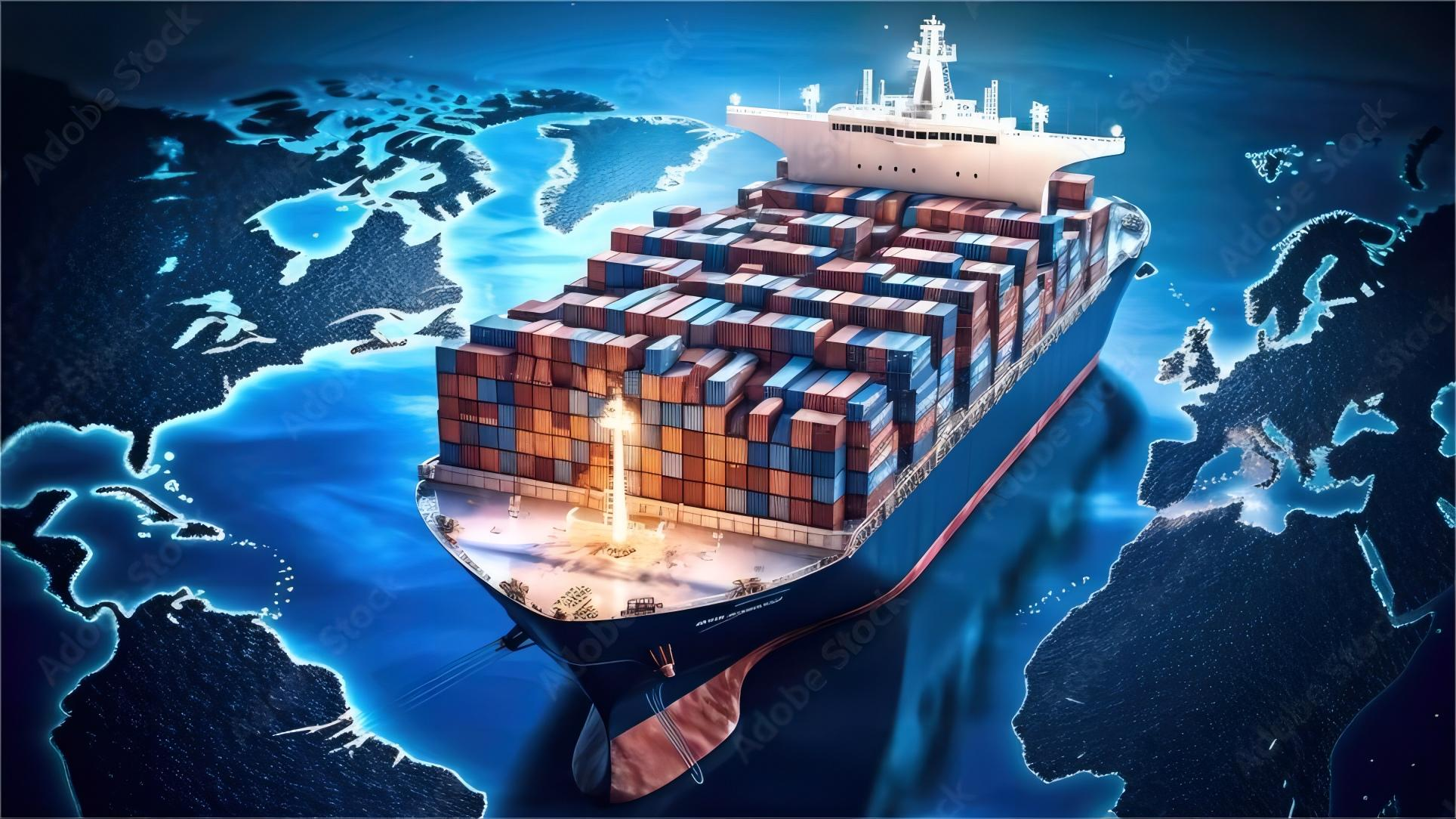
Sea freight continues to be the backbone of international trade, offering the most economical shipping rates China to Germany sea and air freight rates for large volumes. Most businesses utilize sea freight when shipping bulky items or raw materials that do not require immediate delivery. As a result, this method provides a sustainable way to manage long-term inventory needs without exhausting logistics budgets.
Transit times for ocean transport generally span between 30 and 45 days, depending on whether the route is direct or involves transshipment. Specifically, vessels departing from Shanghai or Shenzhen usually call at major European ports like Hamburg or Wilhelmshaven. Meanwhile, the implementation of greener shipping technologies in 2026 has introduced new environmental surcharges that importers should account for in their total landed cost.
For smaller shipments, Less than Container Load (LCL) options allow businesses to share container space and reduce overall expenses. On the other hand, Full Container Load (FCL) shipping is more efficient for those moving enough goods to fill a 20-foot or 40-foot unit. Generally, FCL offers better security and faster processing times at both the origin and destination ports.
| Container Type | Average Cost (USD) | Transit Time | Best For |
|---|---|---|---|
| 20GP Container | 1,900 – 2,600 | 32-38 Days | Heavy machinery, tiles |
| 40GP Container | 2,900 – 3,900 | 32-38 Days | General consumer goods |
| 40HQ Container | 3,100 – 4,300 | 32-38 Days | Lightweight, bulky items |
| LCL (per CBM) | 60 – 95 | 35-42 Days | Small business batches |
How Does Sea Freight Compare to Other Shipping Options?
While sea freight is the most common method, it is vital to compare it against alternatives like rail and express services to find the best fit. Rail freight has emerged as a middle-ground solution, offering faster speeds than the ocean at a lower cost than air. Consequently, many importers are diversifying their shipping strategies to include multiple modes of transport based on specific cargo requirements.
Market data suggests that rail transit from China to Germany takes approximately 15 to 22 days, making it ideal for automotive parts and industrial components. Nevertheless, rail capacity can be limited during periods of high demand, leading to potential delays in departure. In contrast, express courier services provide the fastest possible delivery but at a premium price point suitable only for small parcels.
Hybrid solutions, such as sea-air combinations, are also gaining popularity in 2026 for businesses seeking a balance between speed and cost. For example, cargo might be shipped by sea to a hub in the Middle East and then flown to Germany to save time. This approach often reduces transit times by 40 percent compared to pure sea freight while keeping costs manageable.
| Shipping Method | Cost Range | Transit Time | Best For |
|---|---|---|---|
| Sea Freight | Lowest | 30-45 Days | Bulk, non-urgent |
| Air Freight | Highest | 3-7 Days | High-value, urgent |
| Rail Freight | Moderate | 15-22 Days | Medium-weight goods |
| Express Service | Premium | 2-4 Days | Samples, documents |
Factors Influencing Your Shipping Rates China to Germany Sea and Air Freight Rates
Several variables contribute to the final price you pay for international logistics, ranging from fuel prices to seasonal demand fluctuations. Additionally, the complexity of customs brokerage and local handling fees can add significant costs if not managed correctly. Therefore, understanding these factors allows businesses to better predict their expenses and avoid budgetary surprises.
Fuel surcharges, often referred to as BAF (Bunker Adjustment Factor) for sea or fuel index for air, remain highly volatile in 2026. Moreover, peak season surcharges are standard during the third and fourth quarters as retailers stock up for the holiday rush. Without a doubt, planning your shipments during off-peak months can result in savings of up to 20 percent on base freight rates.
Currency exchange rates also play a role, as most international shipping transactions are conducted in US Dollars. Consequently, fluctuations between the Euro, Yuan, and Dollar can impact the total landed cost of your goods in Germany. To mitigate this risk, some companies negotiate long-term fixed rates with their freight forwarders to ensure price stability over several months.
Logistics Strategies: Choosing Between FCL and LCL
Deciding between Full Container Load (FCL) and Less than Container Load (LCL) is a critical step in optimizing your shipping rates China to Germany sea and air freight rates. For shipments exceeding 15 cubic meters, FCL is typically the more cost-effective choice because the price per unit of volume drops significantly. Additionally, FCL shipments are generally processed faster as they do not require consolidation or deconsolidation at the port.
LCL is the perfect solution for startups or businesses testing new products that do not yet have the volume for a full container. However, LCL shipments may be more prone to damage or loss because the cargo is handled more frequently during the loading and unloading process. For those selling on online platforms, utilizing Amazon FBA services can streamline the transition from Chinese factories to German warehouses.
Proper packaging and palletization are essential for LCL to ensure that goods are protected and easily stackable. Furthermore, using standard pallet sizes recognized in Europe, such as Euro-pallets, can simplify the final mile delivery once the cargo reaches Germany. Indeed, attention to these small details can prevent additional handling fees and ensure a smoother customs process.
Real-World Case Studies for China-Germany Logistics
Reviewing actual shipping scenarios provides valuable context for how market rates and timelines play out in the real world. These examples reflect the typical costs and challenges faced by importers during the 2025-2026 period. By analyzing these cases, you can better estimate the requirements for your own logistics operations.
Case Study 1: Electronics from Shenzhen to Hamburg Route: Shenzhen, China to Hamburg, Germany Cargo: Consumer Electronics, 28 CBM, 4500 kg Container: 40GP Full Container Load Shipping Details: – Carrier: Major ocean carrier – Port of Loading: Shenzhen – Port of Discharge: Hamburg – Route Type: Direct Cost Breakdown: – Ocean Freight: 3,200 USD – Origin Charges: 450 USD – Destination Charges: 600 USD – Customs and Duties: 1,200 USD – Total Landed Cost: 5,450 USD Timeline: – Booking to Loading: 5 days – Sea Transit: 34 days – Customs Clearance: 3 days – Total Door-to-Door: 42 days Key Insight: Direct routing saved 6 days compared to transshipment via Singapore.
Case Study 2: Urgent Medical Supplies from Guangzhou to Frankfurt Route: Guangzhou, China to Frankfurt, Germany Cargo: Medical PPE, 2.5 CBM, 400 kg Shipping Method: Air Freight (Standard) Shipping Details: – Carrier: International cargo airline – Port of Loading: Guangzhou Baiyun – Port of Discharge: Frankfurt Airport Cost Breakdown: – Air Freight: 2,800 USD (7.00/kg) – Origin Handling: 150 USD – Destination Handling: 200 USD – Customs Clearance: 100 USD – Total Landed Cost: 3,250 USD Timeline: – Booking to Loading: 2 days – Air Transit: 2 days – Customs Clearance: 1 day – Total Door-to-Door: 5 days Key Insight: High-priority handling ensured zero delays during the peak winter season.
Case Study 3: Furniture from Ningbo to Berlin via Rail Route: Ningbo, China to Berlin, Germany Cargo: Home Furniture, 12 CBM, 2200 kg Shipping Method: Rail Freight (LCL) Cost Breakdown: – Rail Freight: 1,850 USD – Origin/Destination Fees: 400 USD – Customs: 350 USD – Total Landed Cost: 2,600 USD Timeline: – Total Transit: 20 days Key Insight: Rail provided a 50 percent time saving over sea at a fraction of air freight costs.
Which Option Should You Choose? Decision Framework
Selecting the right shipping method requires a careful evaluation of your budget, timeline, and cargo characteristics. If your primary goal is cost reduction and you have a flexible schedule, sea freight is undoubtedly the best option for your business. Conversely, if you are dealing with perishable goods or high-demand electronics, the speed of air freight becomes a necessity to avoid lost sales.
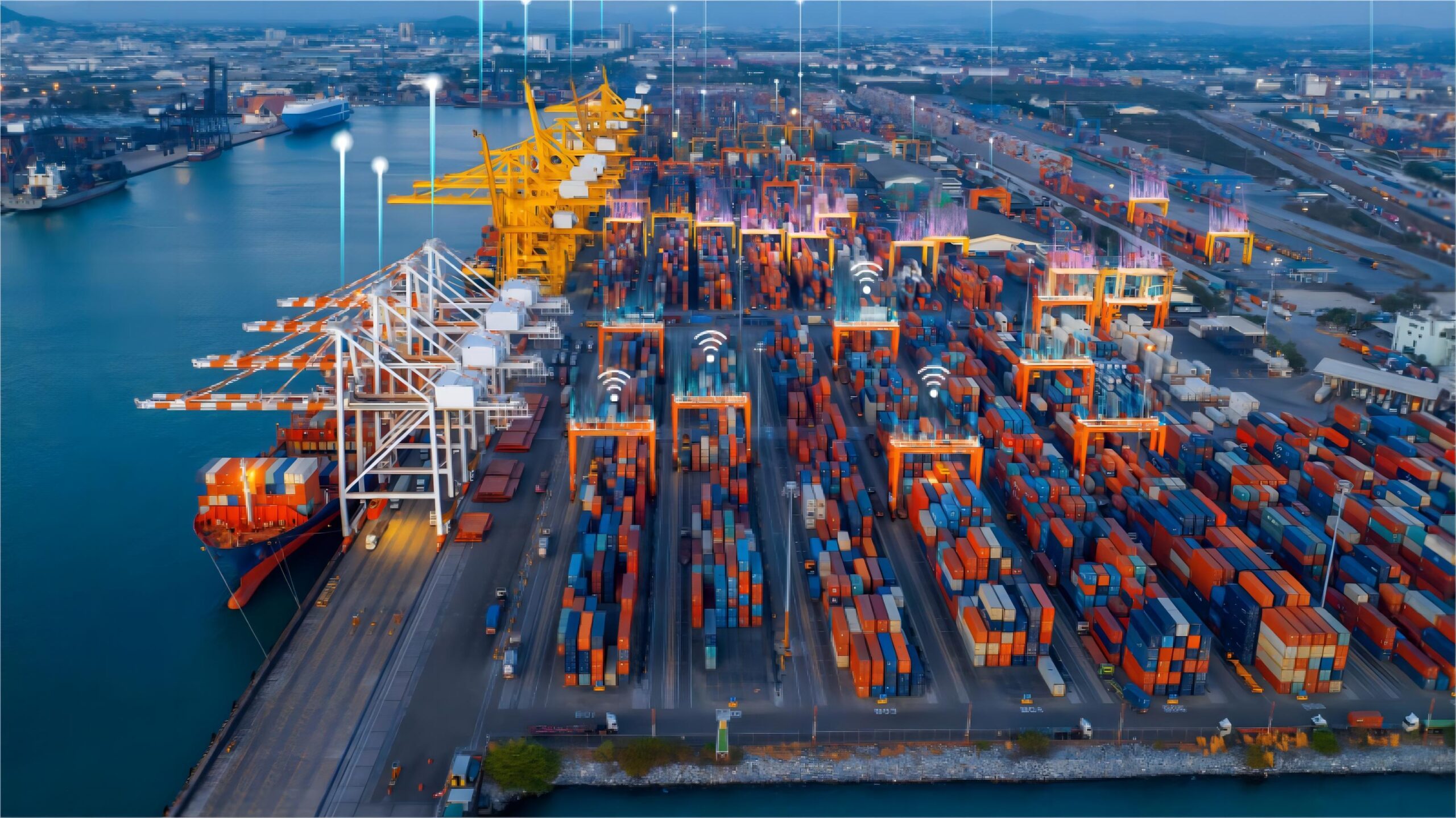
For many, door to door services provide the most convenience by handling every step of the process from the factory gate to the final warehouse. This comprehensive approach simplifies the logistics chain and allows business owners to focus on their core operations. In addition, integrated tracking systems in 2026 provide real-time visibility, reducing the stress associated with international shipping.
Consider the following criteria when making your final decision: Is the cargo worth more than 5,000 USD? If so, air freight might be safer. Is the volume over 15 CBM? Then FCL sea freight is likely the most economical. Does the shipment need to arrive in less than three weeks? Rail freight or air freight are your only viable paths. By applying this framework, you can consistently choose the most efficient logistics path.
Essential Documentation for German Customs
Navigating the regulatory environment in Germany requires precise documentation to avoid costly delays or fines at the border. Specifically, the Commercial Invoice, Packing List, and Bill of Lading (or Air Waybill) are the three most critical documents for every shipment. Furthermore, a Certificate of Origin may be required to qualify for specific trade agreements or to verify the source of the goods.
In 2026, the German customs authorities have increased their focus on product safety and environmental compliance, particularly for electronics and chemical products. Consequently, ensuring that your goods have the proper CE marking and REACH certifications is more important than ever. Failure to provide these documents can result in the cargo being held at the port for weeks or even being returned to China.
Working with a professional freight forwarder who understands the EORI (Economic Operators Registration and Identification) system is vital for a smooth entry into the European Union. Accordingly, they can help you pre-file your customs entries and ensure that all duties and VAT are calculated accurately. This proactive management prevents unexpected expenses and ensures that your delivery schedule remains on track.
| Document Name | Purpose | Required For | Issuer |
|---|---|---|---|
| Commercial Invoice | Value declaration | All shipments | Seller/Exporter |
| Packing List | Cargo details | All shipments | Seller/Exporter |
| Bill of Lading | Title to goods | Sea shipments | Carrier |
| CE Certificate | Safety compliance | Electronics/Toys | Manufacturer |
Mastering Your Logistics from China to Germany
In conclusion, mastering the complexities of shipping rates China to Germany sea and air freight rates is a continuous process of analysis and adjustment. By understanding the trade-offs between speed and cost, businesses can build a resilient supply chain that withstands market fluctuations. Whether you choose the economy of the ocean or the speed of the air, planning ahead remains the most effective strategy for success.
As we move through 2026, staying informed about industry trends and regulatory changes will remain crucial for all importers. Partnering with experienced logistics professionals ensures that your cargo moves safely across borders while maintaining your profit margins. Take the time to evaluate your shipping options today and secure the best possible rates for your upcoming projects.
Ready to streamline your logistics?
Ready to optimize your supply chain with the most competitive shipping rates China to Germany sea and air freight rates? Contact Top China Cargo today for a personalized quote and expert logistics advice tailored to your 2026 business goals. Visit https://topchinacargo.com/ to start your shipment now.